



Among the trees in Sodwana Bay's living dunes is the silky bark, which is part of the quiet engineering team that helps make Sodwana's living dunes possible.
Meet Sodwana's green flash
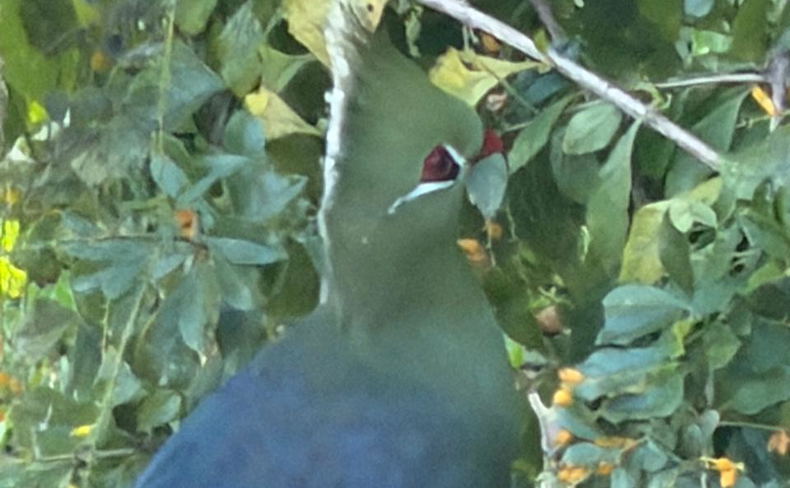
The Livingstone’s turaco is often easier to locate by ear than eye. Its call is a distinctive, gruff and increasingly hurried succession of kow notes—more or less like an indignant conversation conducted somewhere above your head.
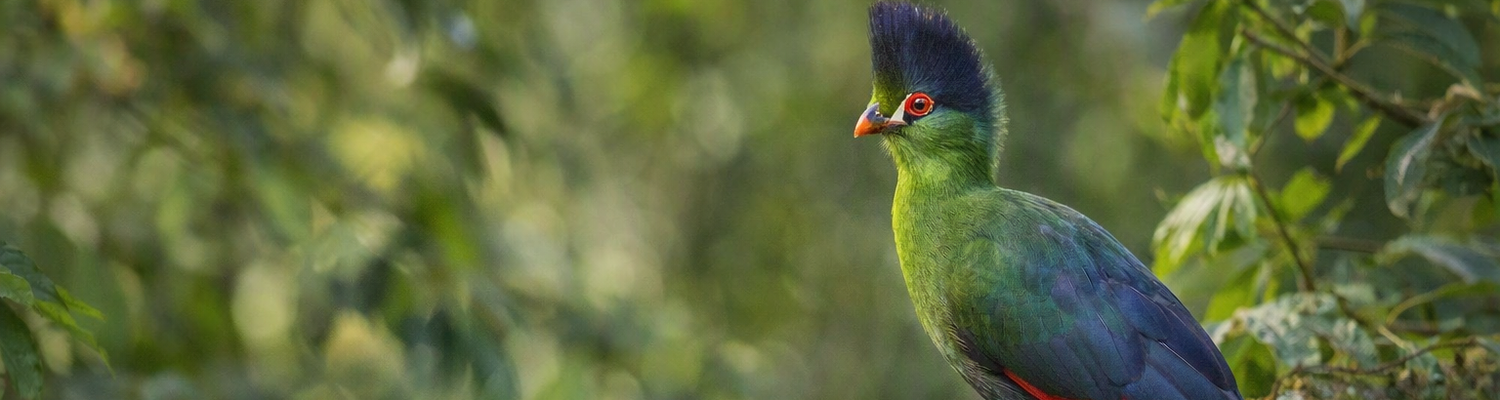
A regular and smartly dressed visitor often announces itself at our lodge. It’s called Livingstone’s turaco.
At around 45 cm from beak to tail, Tauraco livingstonii isn’t small. It’s a bird of dense forest and woodland, where it prefers bouncing from branch to branch. When it does take flight, the performance improves dramatically: short bursts of wingbeats reveal large, startling crimson patches before the bird folds its wings and glides away.
Then there’s the crest: white-tipped and elegantly pointed forwards when raised, it measures roughly 65–75mm and gives the bird an unmistakable air of having somewhere considerably more important to be. Females are generally a little slighter than males, while adults weigh somewhere between 262 and 380 grams.
Listen before you look
The Livingstone’s turaco is often easier to locate by ear than eye. Its call is a distinctive, gruff and increasingly hurried succession of kow notes—more or less like an indignant conversation conducted somewhere above your head.
Its closest visual comparisons include South Africa’s Knysna turaco and Schalow’s turaco, but the ranges have little overlap. The Livingstone’s has a crest longer than the Knysna’s but shorter than Schalow’s, while vocal and cytogenetic differences help distinguish it within the wider Green Turaco superspecies.
At Sodwana, it finds exactly the sort of habitat it likes: dense, fruit-bearing forest and woodland. Fruit makes up most of its diet, so where the trees are productive, the turaco has good reason to stay.
There’s also something reassuring about seeing one. The species isn’t currently considered globally threatened, although regional deforestation remains a concern. Protect the forest, in other words, and you protect far more than trees.
For visitors to Sodwana Bay Lodge, listen for the gruff kow-kow-kow. And keep an eye out for that sudden flash of crimson. The green blur may be gone before you've even had time to say turaco.
Further Reading
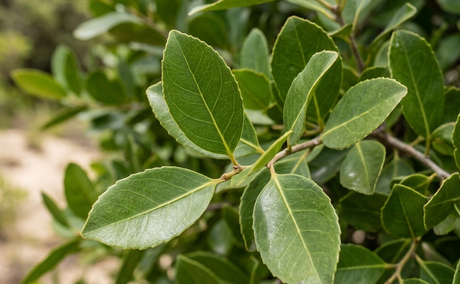
Our silky beauty
Wed July 22, 2026
Read This Article
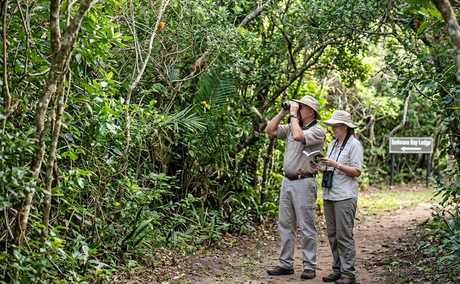
Exploration, the civilised way
Wed April 15, 2026
Read This Article
At Sodwana Bay Lodge, “exploration” comes with a comfortable bed, decent coffee and the reassuring knowledge that you can return to civilisation before sunset.
A walk on the wild side
Wed November 19, 2025
Read This Article
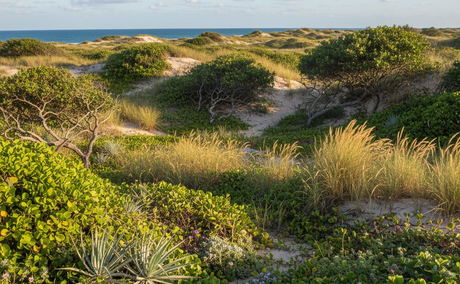
Exploring Sodwana’s living sand hills - some of the most densely vegetated sand dunes on Earth and host to a large variety of plants and animals.
See Sodwana’s Feathered Wonders
Tue April 1, 2025
Read This Article
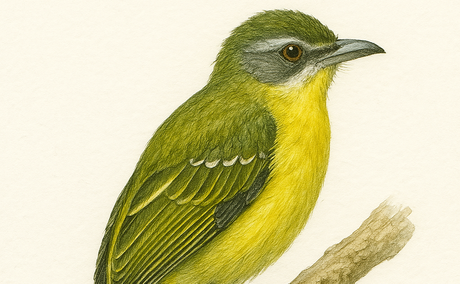
Birding at Sodwana Bay Lodge is more than just ticking names off a list—it’s an immersive experience in one of South Africa’s most pristine landscapes.
Birding heaven at Sodwana Bay Lodge
Mon June 3, 2024
Read This Article
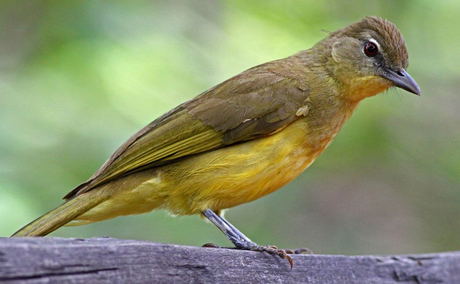
Avian-rich Sodwana Bay offers birders a true extravaganza.

Choose a destination with adventure
Thu March 21, 2024
Read This Article
One thing Covid has taught us is that life should be filled with adventure. And Sodwana Bay Lodge offers adventures galore.

Share This Post